
Medical massage gets talked about in hushed clinic corridors and bright wellness centers alike. It’s not a trendy buzzword; it’s a targeted approach to managing pain, improving function, and supporting recovery. If you’re curious about how massage interfaces with medicine—what it can realistically do, how it’s different from a relaxation session, and how to choose a qualified provider—this piece walks you through the essentials in plain language.
I’ll cover techniques, conditions that respond well, safety checks, practical expectations for a session, and how medical massage fits into Manhattan’s busy healthcare scene. No fluff—just clear guidance so you can decide whether medical massage belongs in your care plan.
What Is Medical Massage?
Medical massage is a focused, evidence-informed form of bodywork that’s integrated into a therapeutic plan. Unlike a spa massage, which primarily aims to relax and provide comfort, medical massage targets specific muscles, soft tissues, and movement patterns to address a diagnosed problem or set of symptoms.
Practitioners use assessment tools—postural analysis, range-of-motion tests, and conversations about pain history—to form a treatment strategy. Sessions are often coordinated with other healthcare professionals, such as physicians, physical therapists, or chiropractors, making medical massage part of a broader rehabilitation effort rather than a standalone indulgence.
Core Principles Behind the Practice
The fundamental idea is to identify dysfunction and then apply manual techniques that restore tissue mobility, reduce neurogenic pain, and improve circulation. Practitioners emphasize measurable outcomes: increased range of motion, reduced stiffness, decreased pain scores, improved sleep, or lower reliance on pain medication.
Medical massage is also iterative. Each session typically reassesses progress and adapts the plan. That disciplined approach is what separates it from purely relaxation-focused modalities.
Common Techniques and When They Help
Medical massage draws from multiple hands-on techniques. Some are soft and slow; others are precise and forceful. The choice depends on the clinical goal—whether it’s to lengthen a shortened muscle, break down restrictive scar tissue, or calm a sensitized nervous system.
Below is a compact table showing commonly used techniques and typical indications.
| Technique | What It Targets | Typical Uses |
|---|---|---|
| Myofascial release | Fascia and adhesive restrictions | Chronic low back pain, postural neck pain, scar mobility |
| Trigger point therapy | Localized hyperirritable spots in muscle | Referred pain (headaches, shoulder pain), muscle tightness |
| Deep tissue massage | Deep muscle layers and fascia | Chronic tension, repetitive strain injuries |
| Neuromuscular technique (NMT) | Motor point dysfunction and muscle imbalances | Sports injuries, joint dysfunction, nerve entrapments |
| Scar mobilization | Post-surgical or traumatic scar tissue | Improve pliability and reduce adhesions |
How Techniques Are Chosen
Selection comes from the assessment: what moves poorly, where the pain refers, whether there’s guarding or weakness. A competent clinician will explain why a specific technique fits your case, and what measurable outcome you can expect.
Expectation-setting matters. Not every tight spot needs deep pressure; sometimes gentler approaches lead to faster, longer-lasting changes. Decisions are collaborative—your feedback during and after sessions shapes the plan.
Conditions That Respond Well
Medical massage is often effective as part of the care plan for musculoskeletal issues. It’s not a magic cure, but it can be a strong adjunct to physical therapy, medications, or surgical recovery.
Common conditions that benefit include chronic neck and back pain, tension-type headaches, rotator cuff issues, patellofemoral pain, post-operative rehabilitation (when cleared by a surgeon), and many repetitive strain injuries. It’s also useful for scar management and for calming heightened nervous system activity in chronic pain syndromes.
When Massage Should Be Considered
- When conservative measures alone haven’t resolved stubborn pain.
- As part of a rehab program after orthopedic surgery (with medical clearance).
- To address movement restrictions limiting daily activities or work performance.
- To reduce reliance on pain medication when combined with other therapies.
These are general scenarios; always follow the guidance of your treating physician for your specific situation.
What to Expect During a Session
A medical massage session typically starts with an intake: health history, pain mapping, and functional goals. The therapist may perform movement tests or palpation to identify tightness and asymmetry. Communication is ongoing—if something hurts, say so.
Treatment length varies, often 30 to 60 minutes. Clothing accommodations depend on the area treated; therapists use draping to protect modesty while accessing target tissues. Techniques can range from light mobilizations to deeper, more focused pressure, but therapists should never cause intolerable pain.
Practical Tips for a Good Session
- Bring a list of medications and recent imaging if available.
- Wear comfortable clothing that allows access to the affected region.
- Stay hydrated before and after—this helps tissue recovery.
- Plan to rest or lightly move after intense sessions; heavy workouts right after are usually not recommended.
Choosing a Qualified Provider
Credentials matter. Look for clinicians who are licensed massage therapists with additional training in medical or clinical massage, or those embedded in multidisciplinary clinics alongside physicians and physical therapists. In many states, medical massage may be performed by physical therapists or by massage therapists working under a physician referral.
Ask about experience with your specific condition, continuing education, and whether they communicate with other healthcare providers. A good therapist will welcome collaboration and will know when to refer you back to a physician for further workup.
Checklist for Selecting a Clinic
- Verified license and professional liability insurance.
- Clear policies on intake, informed consent, and documentation.
- Willingness to coordinate care with your physician or PT.
- Transparent pricing and cancellation policies.
Safety, Contraindications, and Ethics
Medical massage is safe when matched appropriately to a patient. However, it’s not suitable in certain situations—acute infections, uncontrolled blood clots, unstable fractures, or certain skin conditions. Active cancer, pregnancy, and cardiovascular disease require careful screening and medical clearance.
Ethically, medical massage is strictly professional. Boundaries and informed consent are non-negotiable. If a provider suggests or implies anything outside a therapeutic scope, that’s a red flag. You have the right to stop treatment at any time.
Common Contraindications
- Deep vein thrombosis or suspected clotting disorders.
- Fever or systemic infection.
- Unstable fractures or recent significant trauma without clearance.
- Areas of open wounds or untreated cellulitis.
Medical Massage in Manhattan: Where Healthcare Meets Convenience
Manhattan’s healthcare map is dense. You’ll find hospital-affiliated rehab centers, sports medicine clinics, and private practices offering late-afternoon and early-evening appointments. That makes it practical for busy professionals to access medically oriented massage without sacrificing work hours.
When seeking care in a city setting, prioritize clinics that demonstrate integration with medical teams. Hospital outpatient centers usually follow strict protocols and offer a clear referral pathway, while boutique clinics might offer more flexibility but should still provide medical documentation and physician collaboration when appropriate.
Evening and Night Considerations
Some accredited clinics and physical therapy centers in Manhattan provide extended hours to accommodate commuters. If you need treatment outside regular business times, confirm the provider’s credentials and whether night appointments are staffed by full-time clinicians rather than rotating temps. Safety and continuity of care shouldn’t be sacrificed for convenience.
Beyond clinics, the city offers reputable wellness centers that focus on recovery—infrared saunas, guided mobility classes, and evidence-based manual therapy practices. These can complement medical massage but should never replace medical evaluation when pain is severe or progressive.
Practical Costs and Insurance
Insurance coverage for medical massage varies. Some plans cover massage when prescribed by a physician and performed by a licensed practitioner within a clinic or physical therapy framework. Others may not. Always check with your insurer before beginning a series of treatments.
Out-of-pocket costs depend on clinic type, session length, and clinician expertise. Consider asking for a short initial consult to establish an assessment and plan—this avoids repeated trial-and-error visits and helps estimate the expected number of sessions.
Image Suggestions for an Article or Post
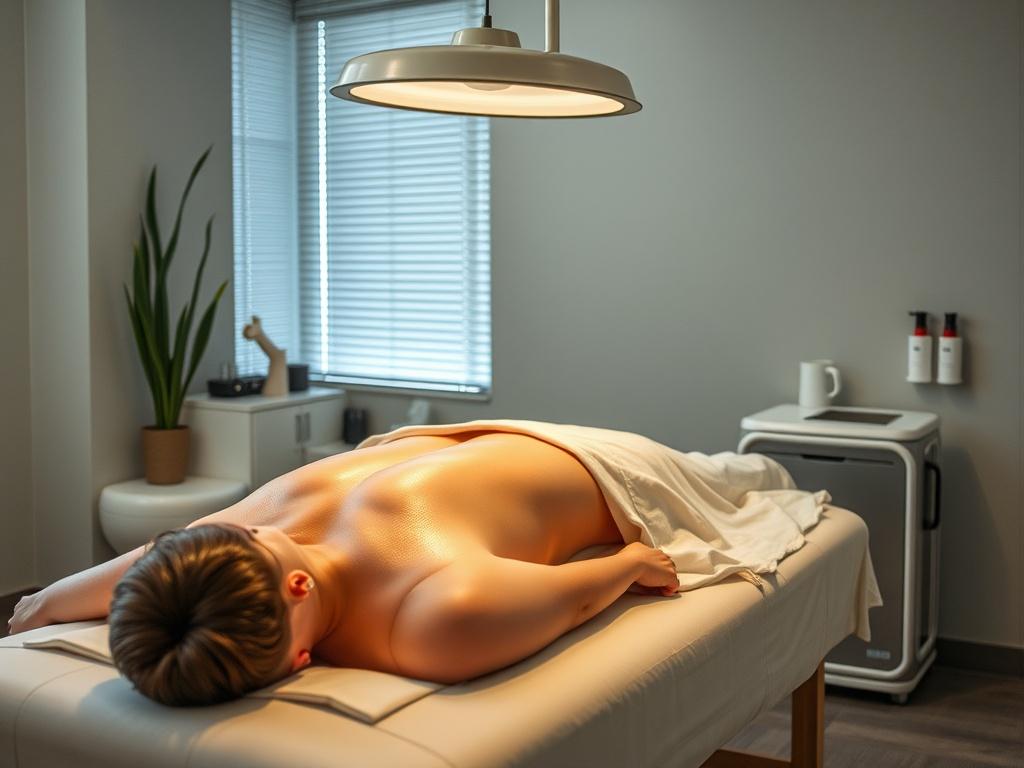
If you’re assembling visual assets, choose images that emphasize professionalism, comfort, and urban energy. Suggested themes include well-lit treatment rooms with licensed therapists working on clients, close-ups of hands-on techniques (non-sexual) like myofascial release, and nighttime Manhattan skyline shots to convey after-hours accessibility.
Alt text examples: “Licensed massage therapist performing myofascial work on client’s back,” “Calm clinical treatment room with neutral linens,” “Manhattan skyline at twilight with glowing towers.” These describe the scene without sensationalizing.
Hashtags for Social Media
Use concise, relevant tags that reach both health-focused and local audiences. Here are tidy suggestions:
- #MedicalMassage
- #ClinicalCare
- #PainReliefNYC
- #ManhattanWellness
- #RehabTherapy
- #PostureHealth
- #HealThroughHands
Pair a few broad tags (#MedicalMassage, #PainReliefNYC) with a couple of niche ones (#RehabTherapy, #HealThroughHands) to hit both general and specialized audiences.
Conclusion
Medical massage is a pragmatic, outcome-driven tool in the toolbox of musculoskeletal care. It’s most effective when delivered by trained clinicians who communicate with your broader healthcare team, prioritize safety, and set clear, measurable goals. For city dwellers in Manhattan, medically oriented options are plentiful—but choose clinics that emphasize credentials, integration with medical care, and professional boundaries.
If you’re dealing with persistent pain or movement limits, a short conversation with your physician about medical massage could be the next practical step. It’s not a cure-all, but when used correctly, it can reduce pain, restore function, and make other treatments more effective. That kind of relief is worth pursuing with care and common sense.